Insulated Concrete Forms Manufacture: The Future of Sustainable Building Construction
Insulated Concrete Forms (ICFs) are gaining traction in the construction sector for their energy-efficient advantages. These innovative forms combine insulation and structural integrity, addressing the growing demand for eco-friendly construction solutions. With growing awareness of environmental concerns, the transition to ICFs prompts critical discussions regarding established construction practices. What sets ICFs apart in the modern market? Investigating their benefits and practical applications provides greater insight into the future of construction.
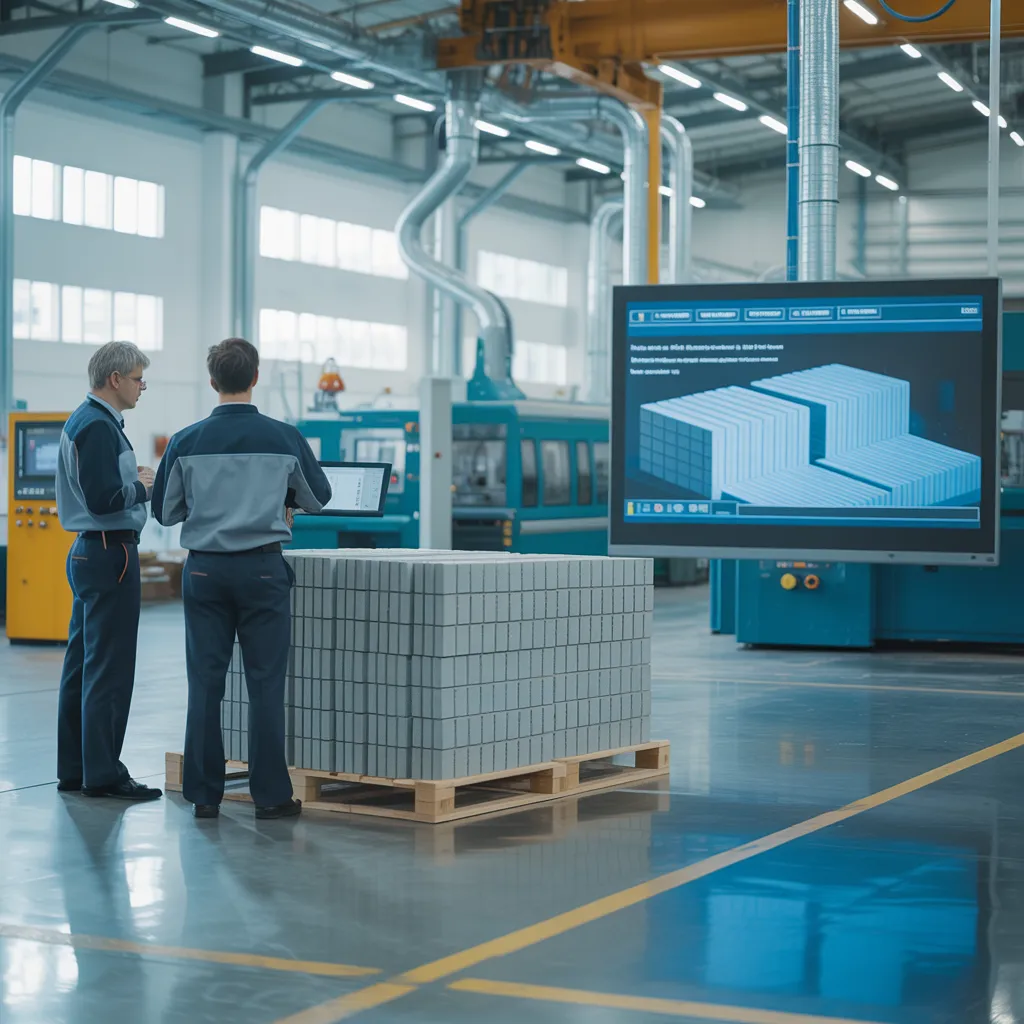
A Deep Dive into Insulated Concrete Forms: A Thorough Overview
As the construction sector moves toward more sustainable practices, insulated concrete forms (ICFs) have risen to prominence as a key solution for energy-conscious construction. ICFs consist of expanded polystyrene (EPS) foam blocks or panels that interlock to create a sturdy framework. This framework is filled with concrete, providing structural integrity while enhancing thermal performance. The superior insulation characteristics of ICFs considerably decrease energy demands for heating and cooling, making them a growing favorite among construction professionals.
Additionally, ICF construction is versatile, applicable to residential, commercial, and industrial uses. The technology enables numerous architectural styles, sustaining architectural beauty without undermining effectiveness. Moreover, ICFs enhance soundproofing and superior durability against environmental factors. As regulations tighten around energy efficiency, knowledge of ICFs proves vital for industry professionals seeking to comply with contemporary construction standards while promoting sustainability in the built environment.
Key Advantages of ICFs for Energy Efficiency and Green Building
With energy efficiency becoming more critical in modern construction, the merits of insulated concrete forms (ICFs) become readily apparent. ICFs deliver superior insulation compared to traditional building materials, greatly reducing thermal bridging and improving energy performance. This translates into lower heating and cooling costs, enabling long-term savings for both homeowners and business owners.
Additionally, ICFs are known for their durability and resilience, which strongly reinforces green construction approaches. By providing excellent acoustic insulation and protection against natural disasters, ICF constructions need less maintenance and reduced repairs throughout their lifespan.
Furthermore, ICFs help achieve a lower carbon footprint. The manufacturing and assembly of ICFs regularly utilizes recycled materials, and their superior insulation capabilities lessen dependence on fossil fuels. This commitment to eco-friendly principles makes ICFs an attractive option for builders striving toward sustainability. In summary, the benefits of ICFs demonstrate a fundamental shift embracing environmentally responsible construction techniques.
How Do ICFs Measure Up to Traditional Building Methods: Key Insights?
In comparing ICFs (Insulated Concrete Forms) with traditional building methods, significant differences in energy performance and building timelines become apparent. ICFs commonly deliver outstanding thermal insulation, leading to lower energy consumption over time. Additionally, the building process using ICFs is often quicker, potentially reducing project timelines and labor costs.
Energy Efficiency Benefits
How do Insulated Concrete Forms (ICFs) stack up against traditional building methods in terms of energy efficiency? ICFs offer significant advantages, primarily due to their exceptional thermal insulation properties. The continuous insulation provided by ICFs minimizes thermal bridging, leading to decreased heat loss in winter and heat gain in summer. As a result, buildings constructed with ICFs sustain more stable indoor temperatures, which can reduce heating and cooling costs. Additionally, ICFs have a elevated R-value, enhancing overall energy efficiency compared to traditional wood framing. Moreover, the sealed construction of ICFs limits air leakage, further supporting energy savings. Overall, ICFs represent a innovative solution for energy-efficient construction, aligning with contemporary sustainability goals and lowering reliance on fossil fuels.
Building Speed Analysis
Insulated Concrete Forms (ICFs) dramatically improve the construction process when measured against traditional building methods. ICFs are built for fast installation, allowing walls to be erected in significantly less time required for traditional framing methods. The lightweight design of ICFs eases transportation and on-site handling, reducing labor costs and time. Furthermore, the incorporated insulation negates the necessity of additional insulation application, further speeding up construction. Research indicates that projects utilizing ICFs can be completed up to 50% faster than projects constructed with conventional wood framing. This productivity not only reduces project durations but also minimizes interruptions due to weather, resulting in more consistent project planning. Altogether, ICFs signify a substantial step forward in the speed of energy-efficient construction.
ICF Production: From Raw Materials to Finished Product
The manufacturing of ICFs (Insulated Concrete Forms) starts with a thorough choice of base materials, which significantly influences their performance and sustainability. Grasping the manufacturing methods applied is necessary for comprehending how these components become the final product. This methodology not only affects the productivity of construction work but also contributes to the overall energy effectiveness of buildings.
Raw Material Evaluation Process
Choosing source materials is a fundamental step in the manufacturing of Insulated Concrete Forms (ICFs), impacting both the structural stability and energy effectiveness of the end product. The key elements typically include high-density polystyrene or polyurethane for insulation and structural concrete for load-bearing strength. The choice of insulating material determines thermal performance, while the concrete's composition determines durability and load-bearing capacity. Additionally, using eco-friendly and recyclable materials is becoming increasingly important, meeting consumer preferences and environmental standards. Quality control during the material selection phase is of paramount importance, as inferior materials can result in higher energy expenditures and structural deficiencies. As a result, a comprehensive evaluation of cost-effectiveness, material properties, and environmental impact is essential to guarantee peak performance and longevity in ICF construction projects.
Overview of Production Techniques
Advanced production techniques are vital for transforming raw materials into superior Insulated Concrete Forms (ICFs). The manufacturing process typically begins with the selection of quality raw materials, including polystyrene foam and concrete aggregates. These components are subjected to accurate mixing and molding procedures to establish the form's structure. Automated machinery often plays a vital role in ensuring consistency and speed, enhancing overall productivity.
Once molded, the forms are exposed to curing processes that enable the concrete to strengthen while the thermal properties are retained. Quality control measures are implemented throughout the production to meet industry standards. Ultimately, these innovative methods enhance the longevity and thermal performance of ICFs, establishing them as a top choice in contemporary building practices.
Groundbreaking Applications of ICFs in Current Construction Projects
Revolutionizing the modern construction industry, ICFs (Insulated Concrete Forms) have become a highly adaptable solution for a wide range of building applications. They extend beyond standard home construction to commercial structures, academic buildings, and even structures built to withstand disasters. ICFs prove especially beneficial in energy-conscious building designs, providing outstanding thermal insulation and thermal storage capacity, which improve the conservation of energy.
Moreover, the ease of construction facilitates expedited construction timelines, making ICFs ideal for projects that need quick turnarounds. Their inherent durability and strength also lead to lasting structures, reducing maintenance costs over time.
In addition, ICFs are growing in use in eco-friendly design projects, meeting the requirements of environmentally conscious building guidelines by minimizing waste and improving energy performance. Modern architectural designs utilize ICFs to create unique shapes and layouts, highlighting their versatility. As the construction industry evolves, ICFs consistently expand the scope of modern construction, demonstrating their importance in today's energy-conscious building methods.
Emerging Trends in Insulated Concrete Forms Technology
As the construction landscape evolves, progress in Insulated Concrete Forms (ICFs) technology is positioned to revolutionize building techniques. Emerging trends suggest a movement toward greater energy efficiency via advanced insulation materials, such as aerogels and bio-based composites. These innovations promise to reduce energy consumption further while maintaining structural integrity.
Moreover, the inclusion of smart technology into ICFs is expected, enabling instantaneous energy monitoring and automated climate control systems. This combination of technology not only elevates comfort but also advances eco-friendly construction practices.
Moreover, producers are copyrightining modular designs that streamline the construction process, minimizing waste and lowering labor costs. This shift is in harmony with the expanding requirement for swift and streamlined construction approaches in the face of growing urbanization.
Common Questions and Answers
How Does ICF Production Affect the Environment?
The ecological consequences of ICF manufacturing encompass resource extraction, energy consumption during manufacturing, and potential emissions. However, their energy efficiency in construction can mitigate long-term environmental effects, supporting eco-friendly construction methods and minimizing carbon footprints.
How Do ICFS Function in Extreme Weather Conditions?
ICFs explore the details display outstanding performance in severe weather scenarios, delivering remarkable thermal insulation and structural strength. Their durability helps resist the effects of high winds, heavy snow, and extreme temperatures, making them suitable for a wide range of climates and demanding environments.
What Specific Building Codes Exist for ICF Structures?
Indeed, particular building codes for ICF construction have been established and differ across regions. These regulations encompass safety, structural integrity, and energy efficiency, ensuring compliance with local regulations while promoting peak performance in diverse environmental conditions.
What Is the Lifespan of an ICF Building?
An ICF building generally has a lifespan of between 70 and 100 years, based on build quality and upkeep. Its structural strength is bolstered by resistance to weather, pests, and fire, ensuring long-term structural integrity.
Are ICFS Recyclable Once They Reach the End of Their Life?
Insulated Concrete Forms (ICFs) are indeed recyclable once they have reached the end of their lifespan. Various methods exist to repurpose the materials, contributing to sustainability and reducing waste in construction and demolition processes.